
Most entrepreneurs start a business because they believe in a product, service, or opportunity that lets them do things their way. They are building, selling, serving clients, managing cash flow, and solving the ever-urgent, wildly random problems.
Then employees happened. Maybe intentionally. Maybe reactively. Maybe a combination of both. Hiring. Pay. Performance conversations. Time off requests. Flexibility. Conflict. Expectations. Retention. Policies. The occasional, ‘Wait… can they do that?’ moment.
That’s HR.
How are you using HR so it supports both the day-to-day people decisions and the bigger business strategy? HR is not just the handbook, the policy, the compliance question, or the difficult employee conversation. HR is also how a business builds consistency, supports managers, makes better people decisions, protects culture, and creates the structure needed to grow, ideally, all in alignment with your unique culture and goals.
Or are you reaching for HR because something got messy? A termination gets complicated. A pay decision feels inconsistent. A manager avoids a hard conversation. An employee is frustrated because expectations were never clear. A policy only gets written after something weird happens. And let’s be honest: something weird will eventually happen. But that is not the best use of HR.
The Better HR Conversation
Using HR more intentionally is about getting proactive before people issues get complicated.
🚫 Instead of this: “We are small. We do not need HR. I don’t want bureaucracy, policies that slow down operations, or someone telling me I cannot run my business my way.”
✅ How about this: “What HR structure do we need that supports the way we want to run the business, helps us make better decisions, and supports growth without creating unnecessary red tape?”
The HR Work That Keeps the Business Moving Forward
Small businesses need the tactical HR pieces. Job descriptions. Offer letters. Onboarding. Policies. Documentation. Performance conversations. Compensation guidance. Compliance support. All of it matters. The real value comes when those tactical pieces connect to the business strategy.
A job description is not just a document. It should answer: “What does this role need to own so the business can grow?”
A policy is not just a rule. It should answer: “Where are we seeing confusion, inconsistency, or risk? How can we create a policy that aligns with our culture?”
Manager training is not just a nice-to-have. It should answer: “Who is coaching employees to succeed, and do they have the tools to do it well?”
Compensation is not just about reacting to the top candidate who you have to have, regardless of their salary demands. Or your top employee who just got another offer. It should answer: “How do we make pay decisions that are fair, competitive, and aligned with the business we are building?”
This is how HR transitions from day-to-day tasks to a strategic partner.
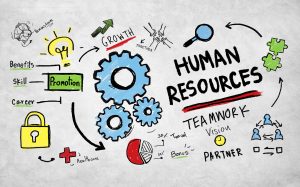
The “how” is practical: clearer roles, stronger onboarding, practical policies, manager coaching, performance conversations, compensation guidance, documentation, and compliance support.
The “why” is strategic: those same HR tools help the business make better decisions, reduce confusion, create consistency, support managers, protect culture, retain employees, and grow with fewer preventable people problems.
For small businesses, this shift can create a real advantage. They may not always compete with larger companies on every salary, benefit, or career ladder. But they can compete by being clearer, more responsive, more intentional, and more human. They can create a workplace where people understand what is expected, where the business is going, and how they contribute and make an impact.
That does not make a small business feel stuffy or corporate. It makes the business stronger.
The question is not whether your small business is ‘big enough’ for HR. The better question is: How can you use HR as a partner to support growth and profitability?
Because small businesses are already doing HR, the opportunity is to use it more intentionally, from the day-to-day people decisions to the bigger business strategy. And those decisions support the company’s goals, mission, vision, values, and culture.